
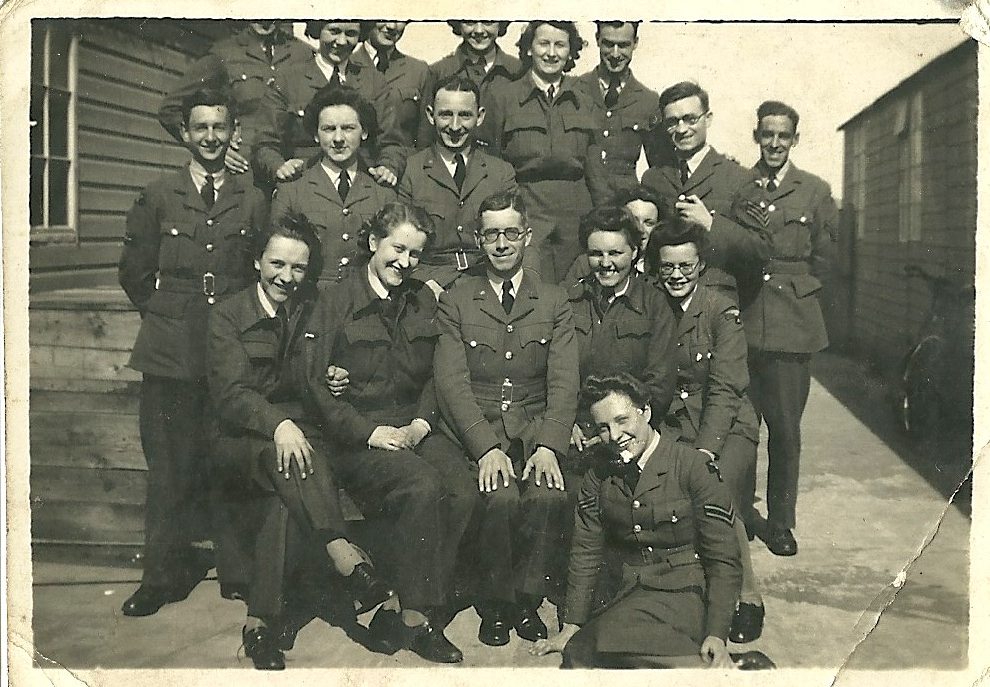
Military records are among the richest and most revealing sources available to family historians. If your ancestor served in the armed forces, there may be detailed documentation that tells you far more than a census ever could — sometimes including physical description, medical history, promotions, disciplinary issues, and even the exact battles they experienced.
This guide explains how to find service records, understand regimental structures, use The London Gazette, and reconstruct wartime experiences.
Was Your Ancestor Likely to Have Served?
Start with age.
Was your ancestor of military age during a major conflict such as:
- Napoleonic Wars
- Crimean War
- Boer War
- First World War
- Second World War
If a man was between roughly 18 and 40 during wartime, service is possible — and in WW1 and WW2, increasingly likely.
Clues can also appear in:
- Census occupations (“soldier”, “army pensioner”)
- Family medals or photographs
- Local newspaper enlistment lists
- Absence from home during wartime census years
Finding Service and Pension Records
The principal repository for British military records is The National Archives at Kew. Many records are digitised and searchable online.
You can also search via:
- Ancestry
- Findmypast
Look for:
- Service records
- Pension records
- Attestation papers (enlistment forms)
- Medal index cards
- Casualty lists
Be aware that many First World War service records were destroyed during the Blitz in 1940. These are often referred to as the “Burnt Documents.” If you cannot find a service record, it does not mean your ancestor did not serve — pension records or medal rolls may survive instead.
When you find a record, always carefully record:
- Full name (including initials)
- Service number
- Regiment
- Battalion
- Dates of service
The service number is especially important in distinguishing men with common names.
Understanding Regimental Structure
To use military records effectively, you need to understand structure.
In the British Army, the hierarchy is broadly:
Army → Regiment → Battalion → Company → Platoon
A key point for family historians:
A man might remain in the same regiment but move between battalions. Different battalions often served in completely different theatres of war.
If you want to trace what your ancestor experienced, the battalion is crucial.
Understanding Ranks
Most soldiers were “Other Ranks”:
- Private
- Lance Corporal
- Corporal
- Sergeant
Officers held ranks such as:
- Second Lieutenant
- Lieutenant
- Captain
- Major
Officers are much more likely to appear in published records, particularly in The London Gazette.
Using The London Gazette
The London Gazette has been publishing official government notices since 1665 and is fully searchable online for free.
For military research, it can provide:
- Officer commissions
- Promotions
- Gallantry awards
- Mentions in Despatches
- Casualty notices
When searching:
- Try the full name in quotation marks
- Try initials (e.g. “E. W. Thompson”)
- Search by service number if known
- Narrow by date range
- Browse surrounding entries for context
Be aware that older entries rely on OCR and may contain spelling errors.
Tracing Wartime Experience: War Diaries
Once you know the regiment, battalion, and dates of service, you can consult war diaries.
War diaries are held at The National Archives.
For the First World War, most are in series WO 95 and many are downloadable.
For the Second World War, diaries are in several WO series; some are digitised, others require a visit or copying request.
War diaries are not personal diaries. They record:
- Daily movements
- Engagements
- Casualty numbers
- Weather conditions
- Orders received
They rarely name ordinary soldiers.
However, by combining a service record with a war diary, you can reconstruct context:
On the day he was wounded, his battalion was attacking this village under heavy artillery fire.
That transforms bare dates into lived experience.
Medals as Evidence
Medal index cards and medal rolls can reveal:
- Theatre of war
- Date of entry into theatre
- Campaign participation
- Gallantry awards
For example, entitlement to the 1914–15 Star indicates early overseas service in the First World War.
Medals often provide vital clues when service records are missing.
Things to Watch For
Military research can be complicated. Common issues include:
- Multiple men with the same name
- Age inflation at enlistment
- Transfers between regiments
- Territorial vs Regular Army service
- Abbreviations (RAMC, RE, KRRC, etc.)
- Family stories that do not match documentary evidence
Always aim to confirm information using at least two independent sources.
Pulling It All Together
To reconstruct a military life:
- Establish likely service
- Obtain service or pension records
- Identify regiment and battalion
- Search The London Gazette for promotions or awards
- Consult war diaries for context
- Add medals and newspaper reports
- Build a chronological timeline
Military research is about turning:
Documents → Structure → Context → Story
And when done carefully, it can bring an ancestor’s experience into sharper focus than almost any other record set.