
-
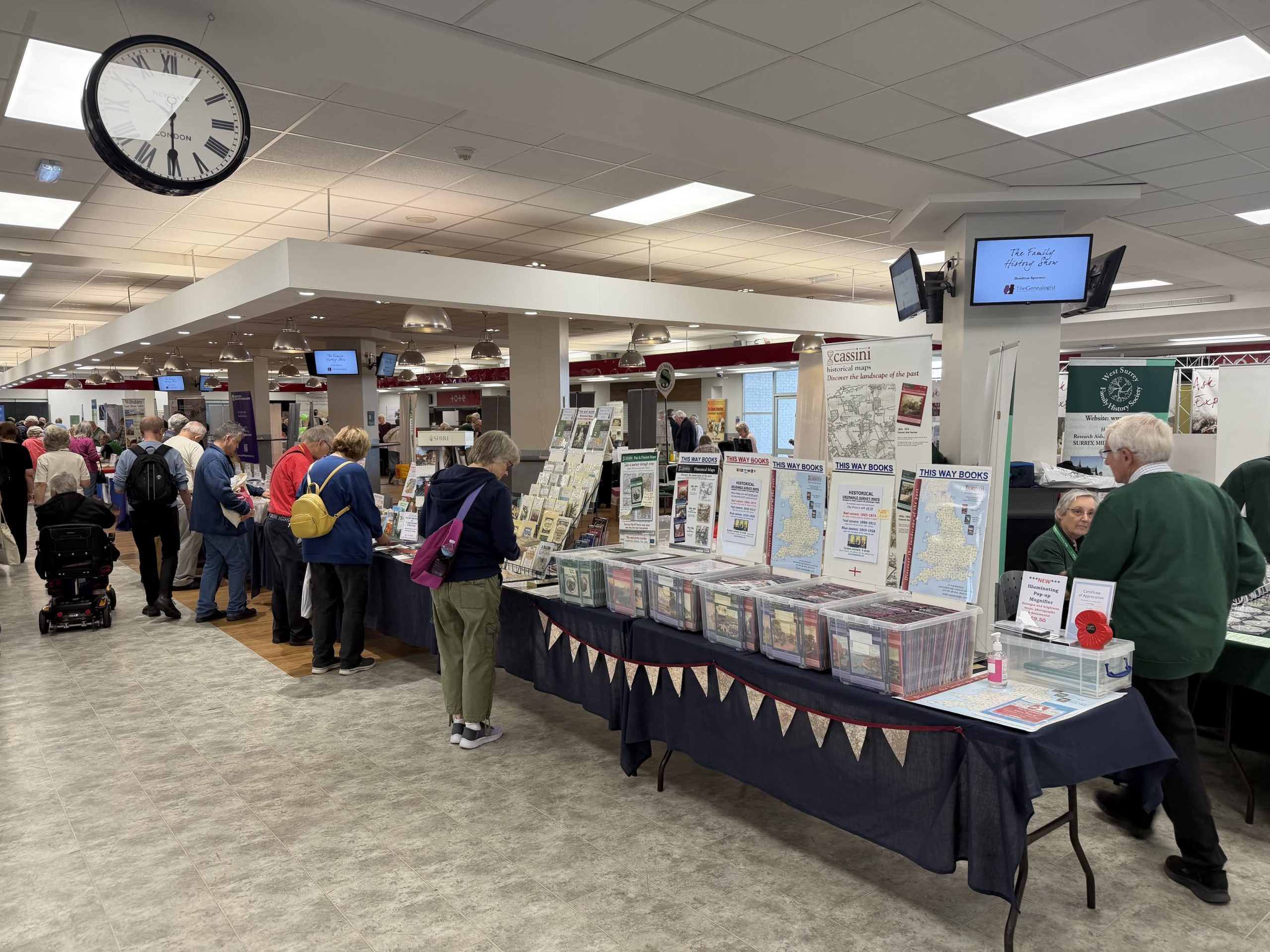
Review: The Family History Show, London
-
Property and Maps: Bringing Your Ancestors’ World to Life
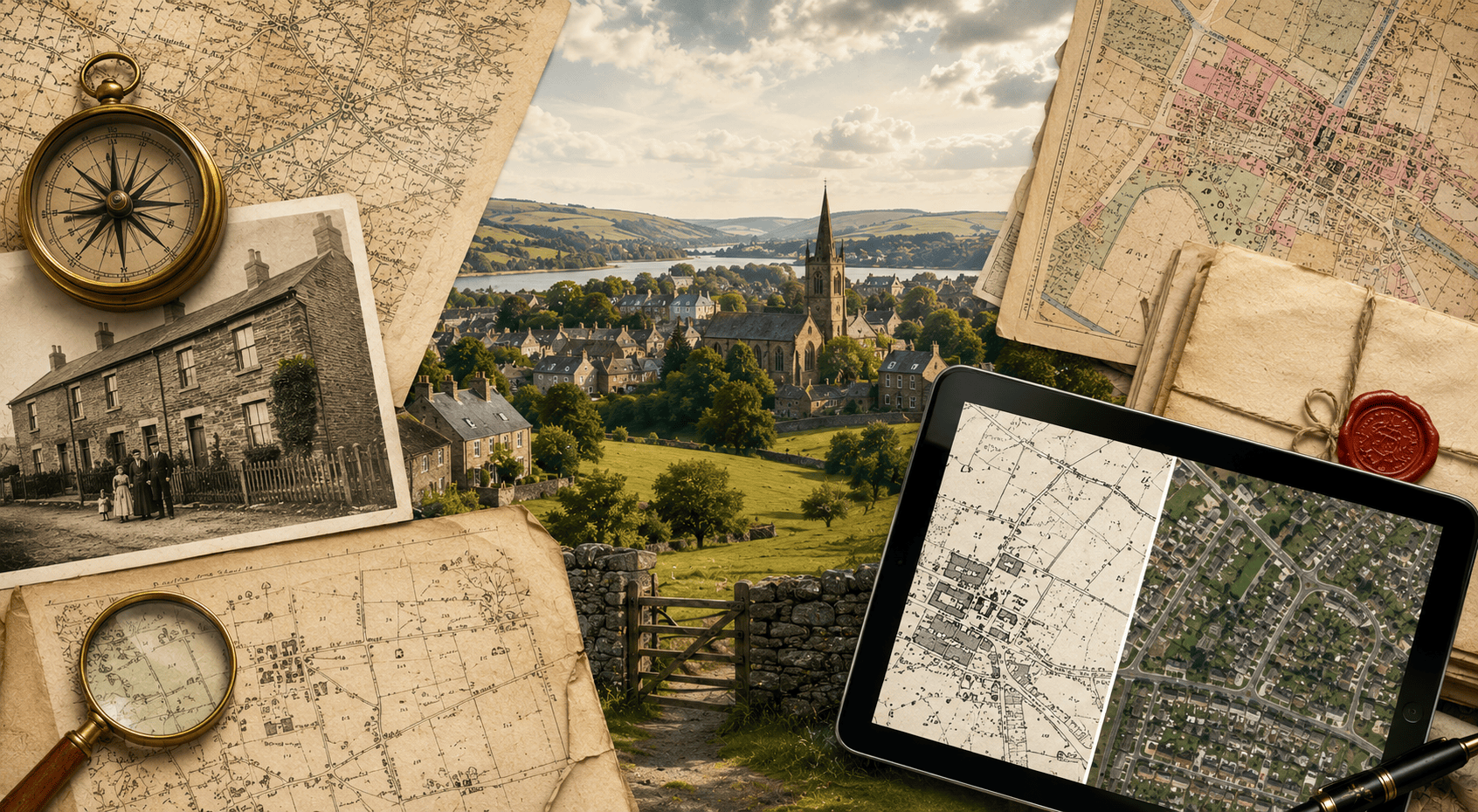
Family historians spend much of their time collecting names, dates and places. We search census returns, parish registers, birth certificates and probate records in an effort to reconstruct the lives of our ancestors. Yet one of the most powerful tools available to genealogists is often overlooked: maps. Maps allow us to move beyond names and…
-
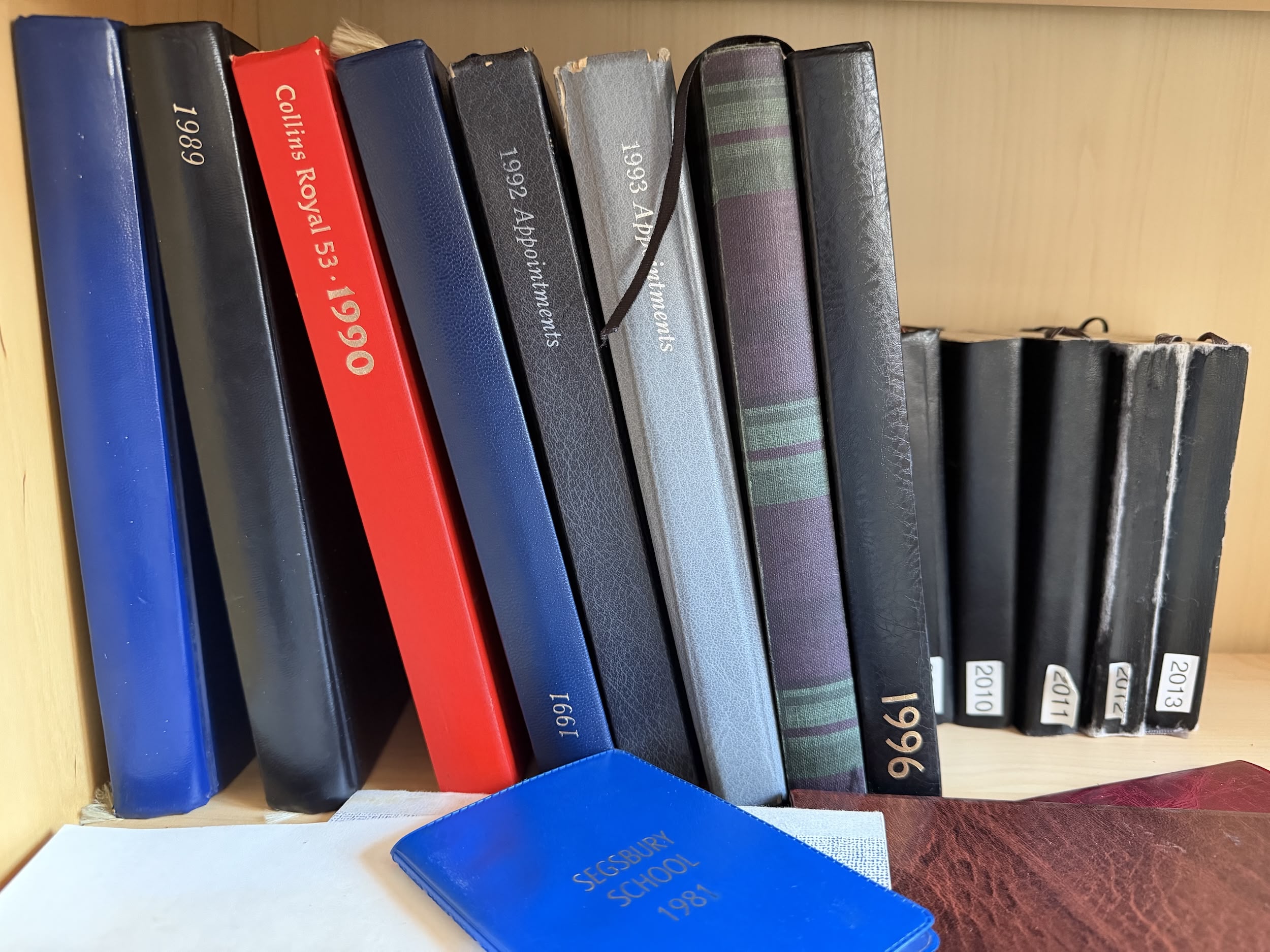
Transcribing Old Diaries
-
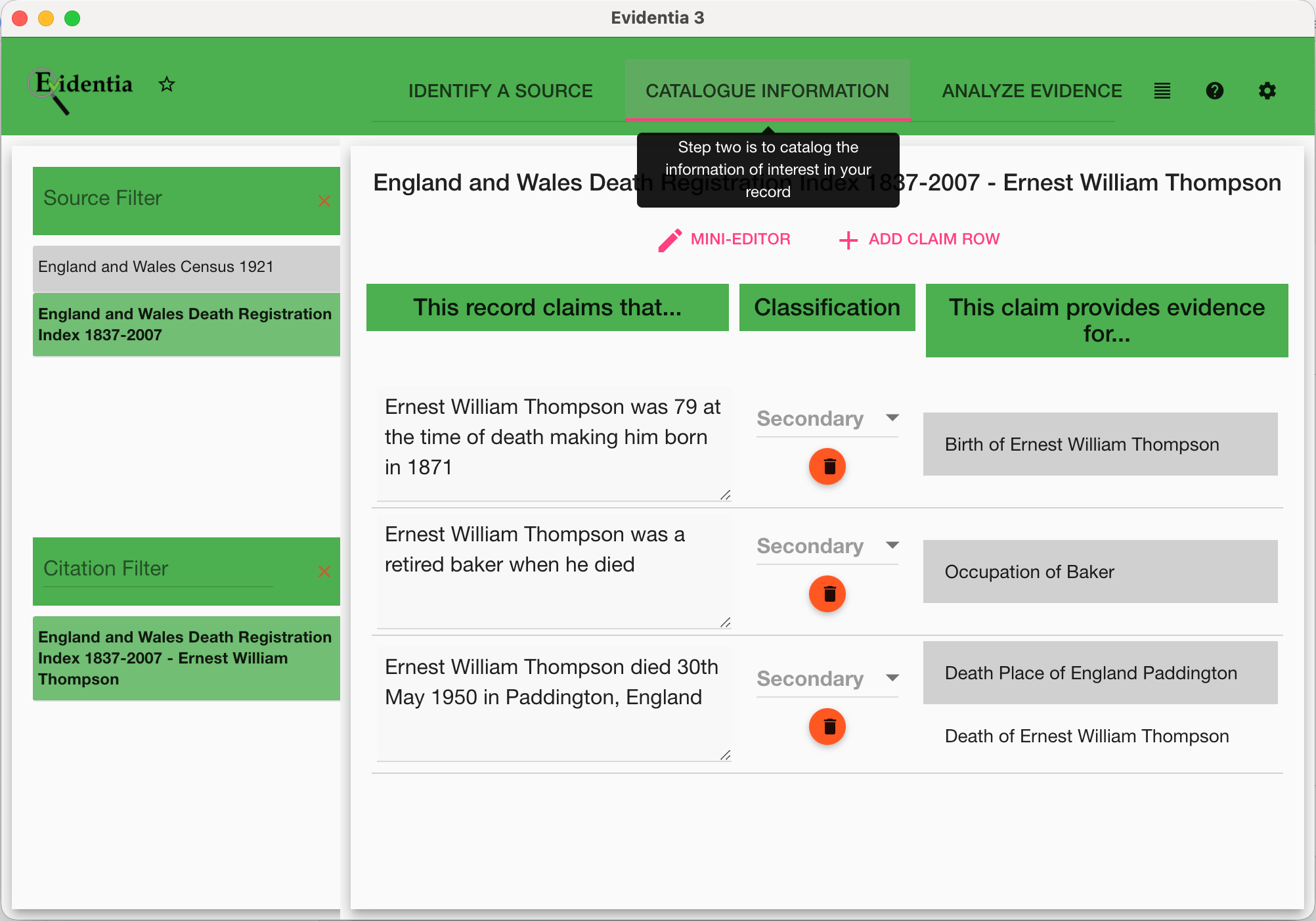
Breaking Brick Walls with Evidentia: What It Is — and What It Isn’t
-
Wills, Probate and Family Secrets
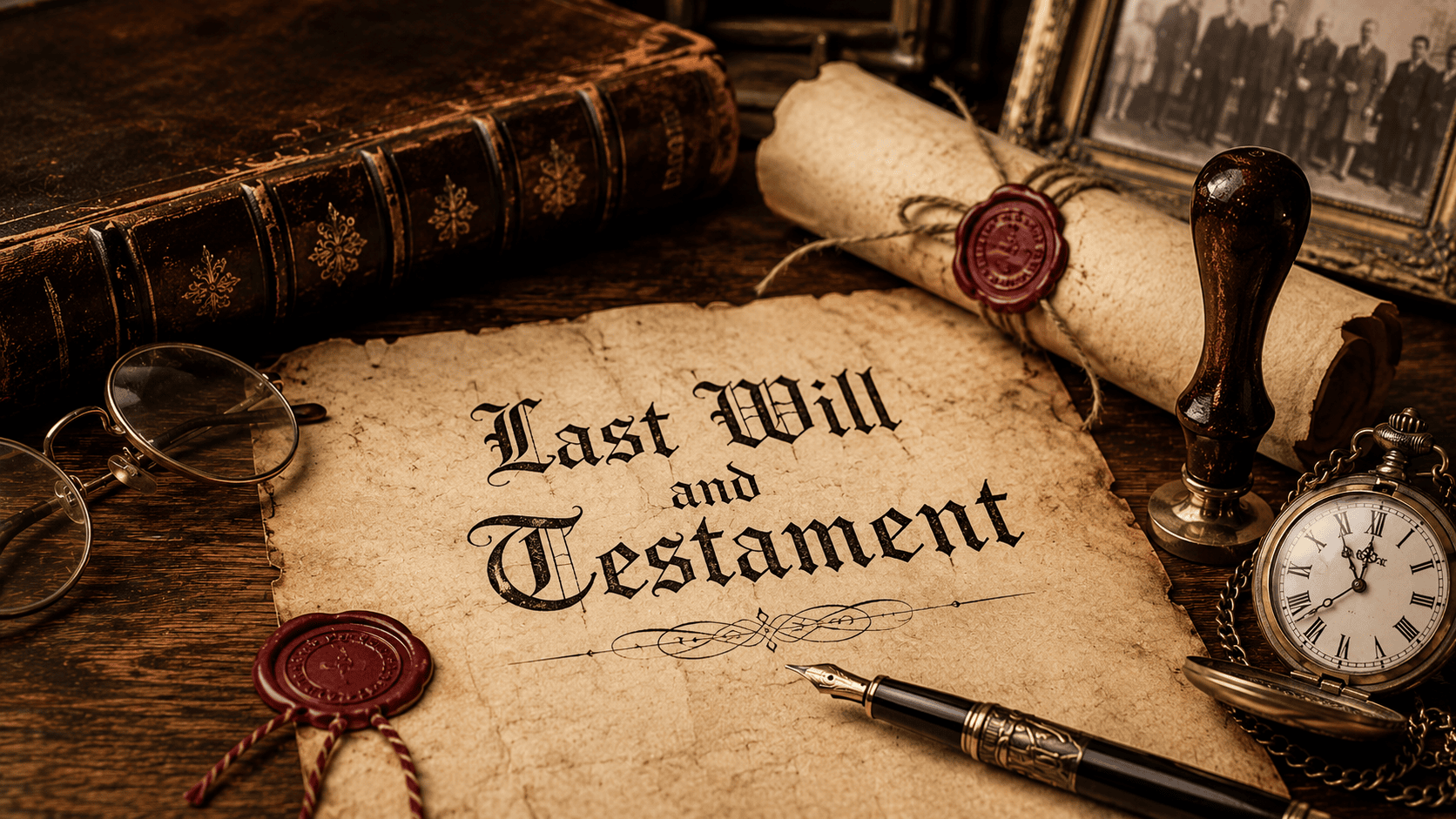
Wills and probate records are among the richest and most revealing sources available to family historians. Beyond simply listing possessions or money, they can uncover relationships, family tensions, occupations, property ownership and sometimes even long-forgotten stories. In this article we explore how wills and probate records can help bring ancestors to life and where these…
-
Doing Research irl
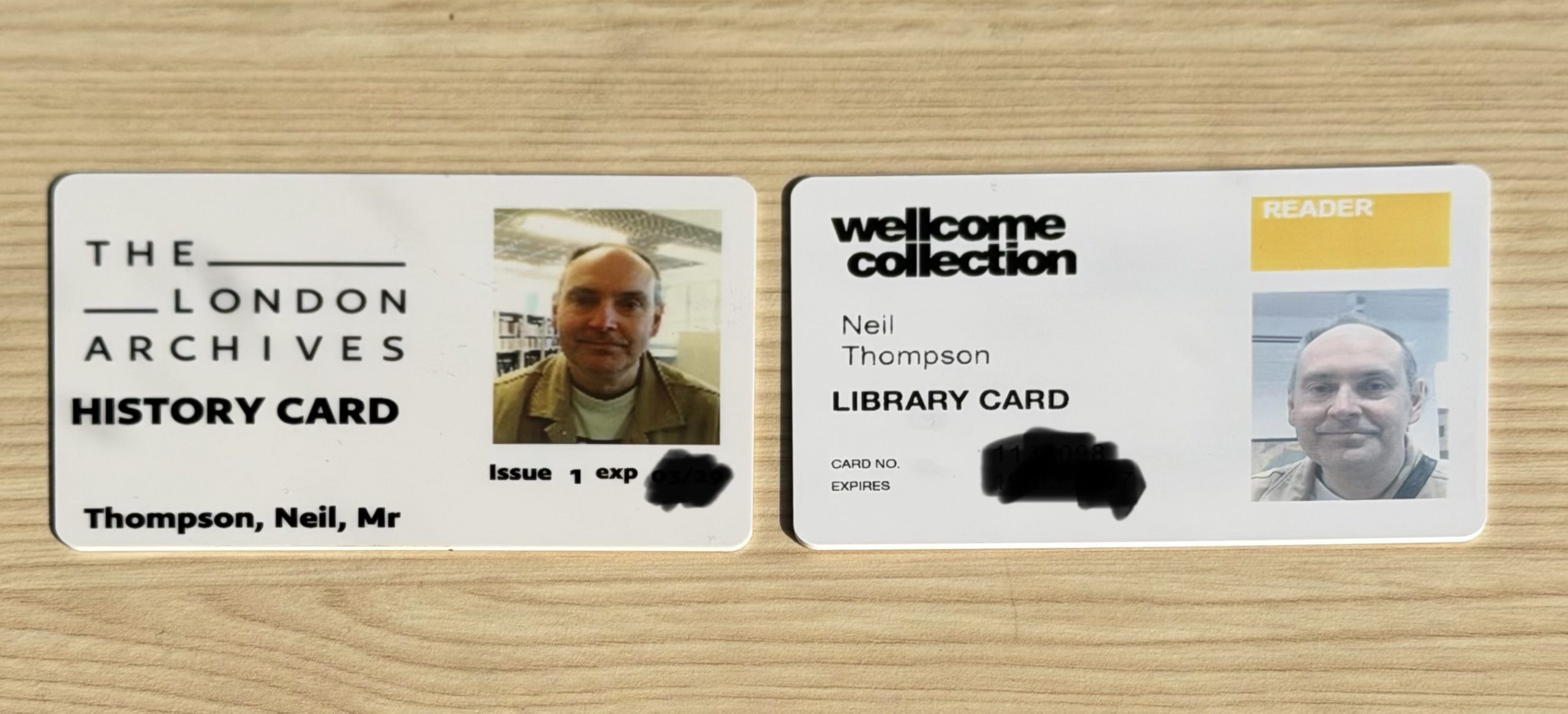
When I started doing my family history in the late 1980s, pretty much everything was either paper-based or on microfilms. Giant ledgers giving you the possible key to a lost family member or finding the will of a grandparent. Then the wait while you requested the document and had it sent to you. I remember…
-
Simple Backup Strategies — Protecting Your Family History Research
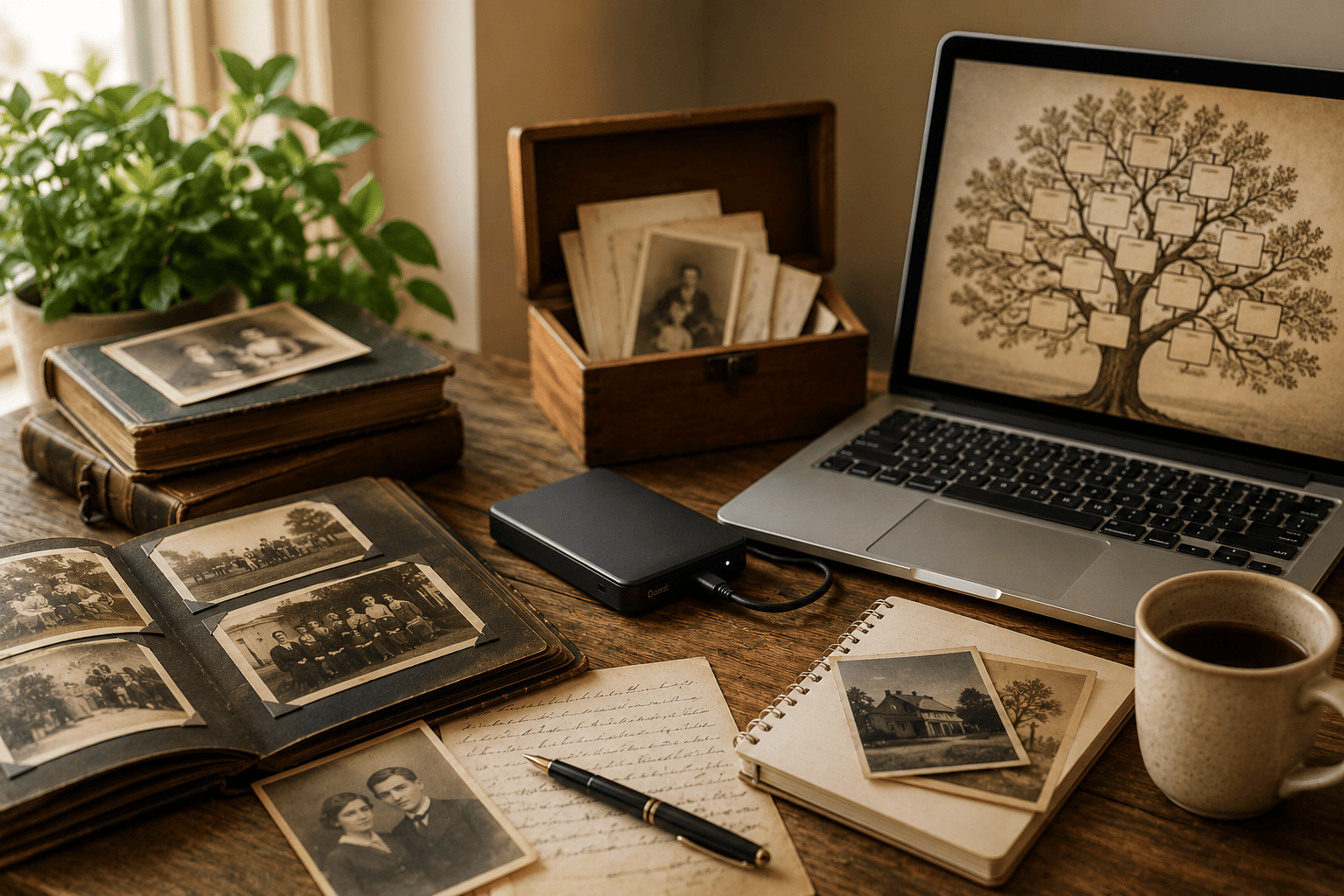
If you spend time researching your family history, your computer probably contains years of work: census records, certificates, scanned photographs, family stories, research notes, and carefully built family trees. Losing that data through a computer failure or accidental deletion can be devastating. The good news is that backing up your files does not need to…
-
Using NotebookLM in your Genealogical Research
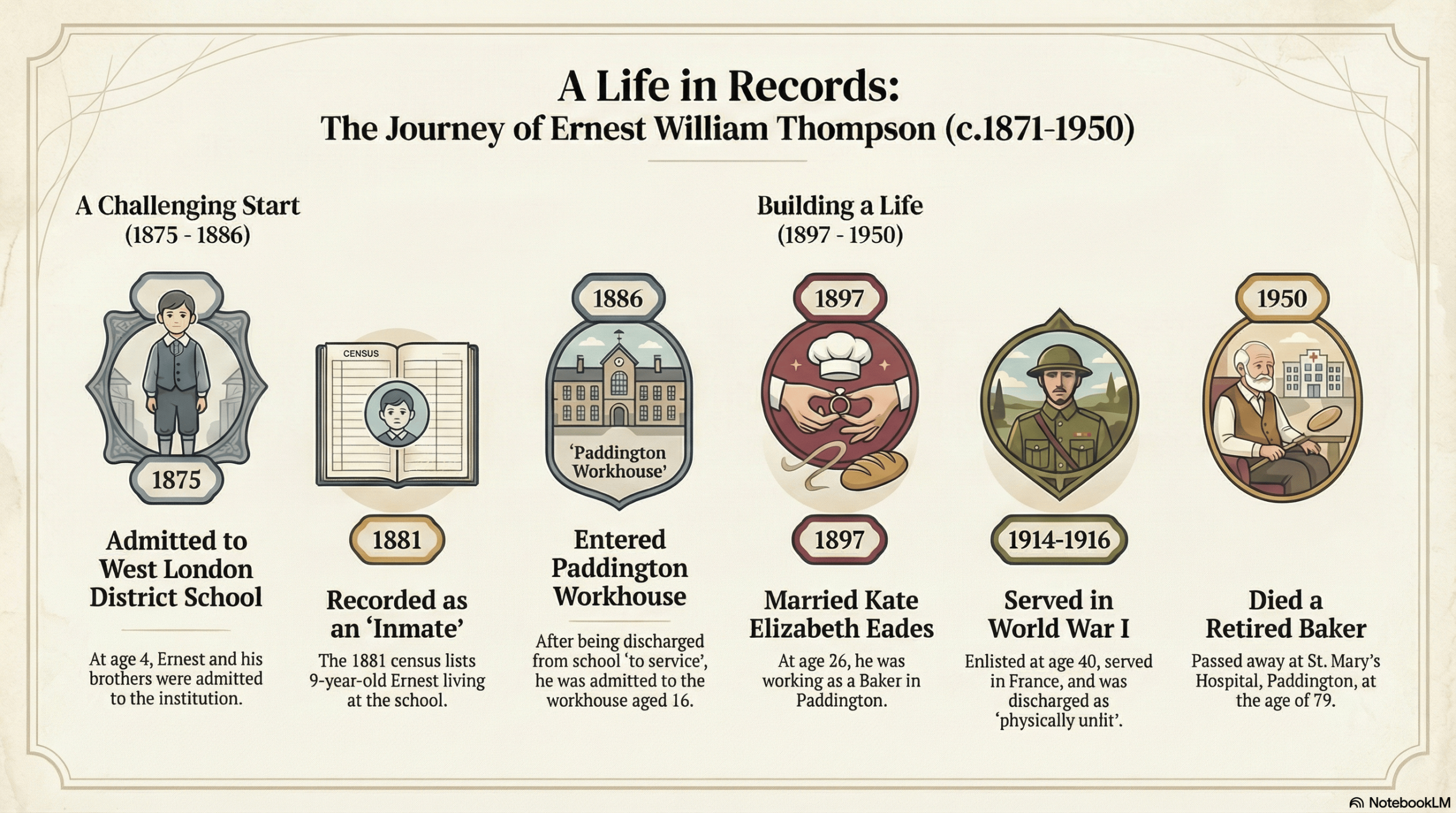
-
Preserving Family Photos: A Practical Guide for Genealogists
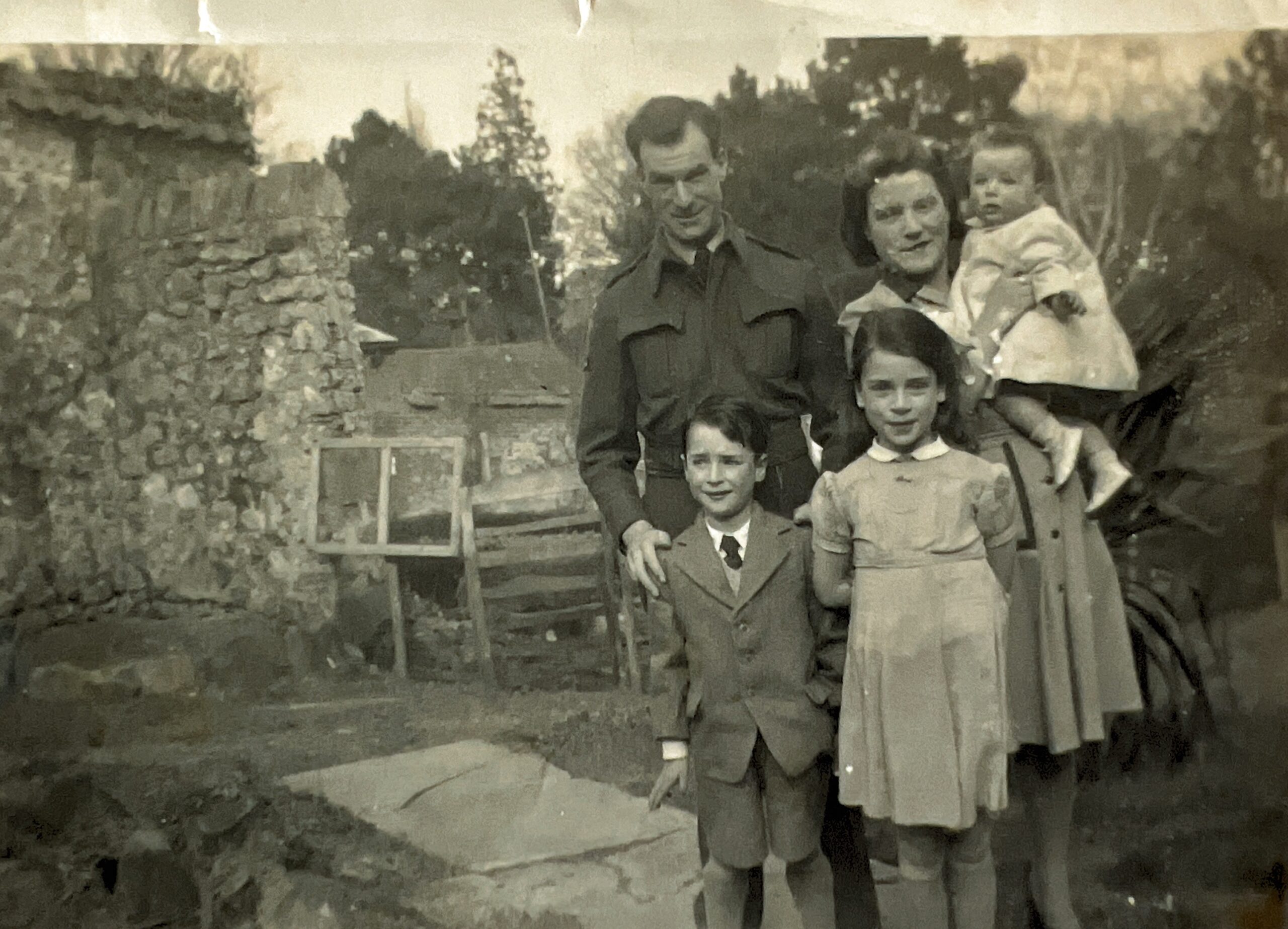
For anyone interested in family history, photographs are among the most precious items we have. They bring names and dates to life, offering a tangible connection to the past. But photos—both physical and digital—are surprisingly fragile. Without a bit of care and planning, they can fade, deteriorate, or simply disappear. This guide covers the key…
-
Using Newspapers in Family History
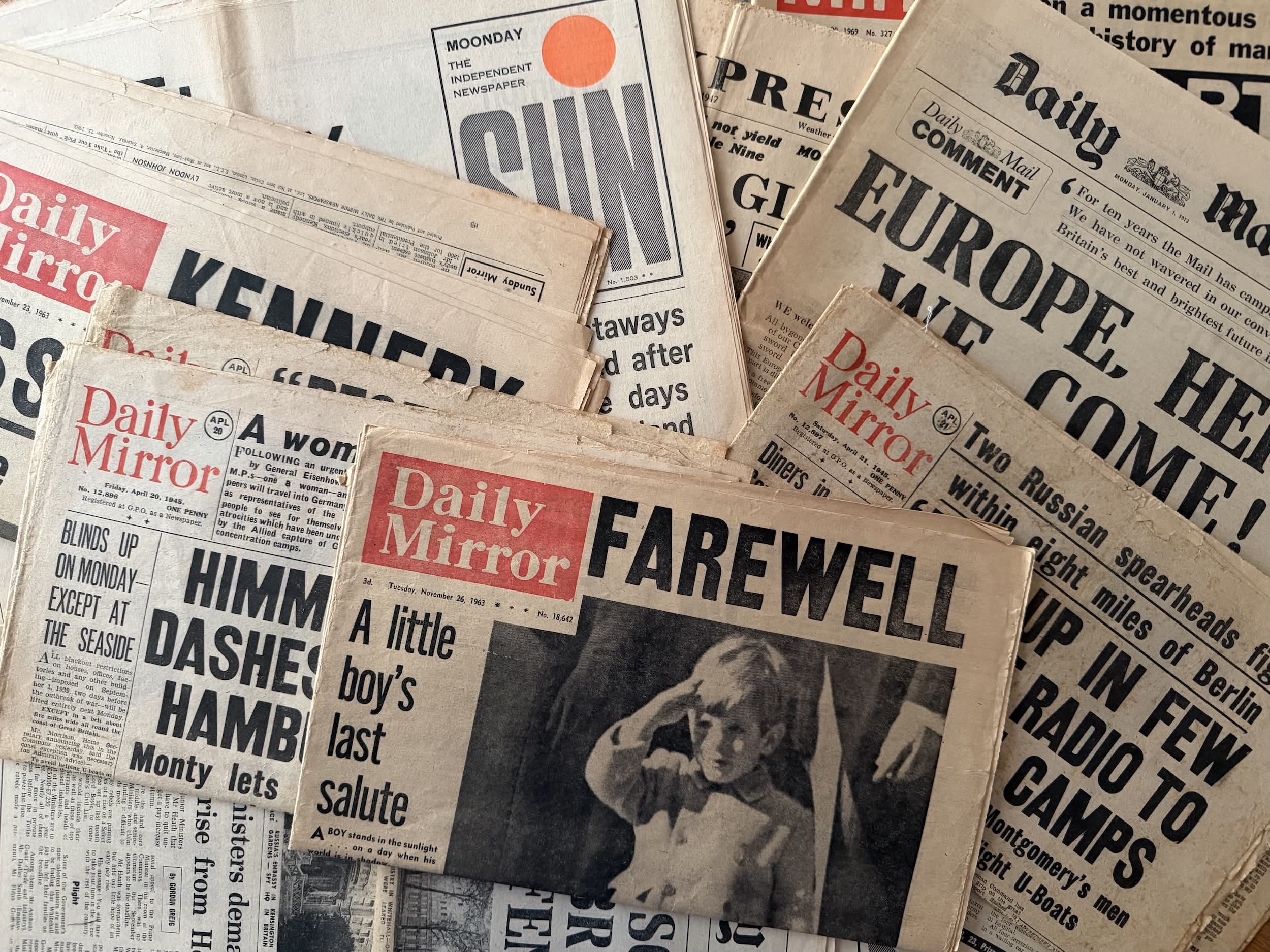
The stories behind our ancestors When we start researching our family history, we tend to focus on the “big” records — birth certificates, census returns, marriage records and wills. These are essential, of course, but they only tell us the bare facts. If you really want to bring your ancestors to life, newspapers are one…