
Wills and probate records are among the richest and most revealing sources available to family historians. Beyond simply listing possessions or money, they can uncover relationships, family tensions, occupations, property ownership and sometimes even long-forgotten stories.
In this article we explore how wills and probate records can help bring ancestors to life and where these records can be found in the UK.
Why Wills Matter to Family Historians
Many genealogists focus heavily on census records, parish registers and birth, marriage and death certificates. However, wills often provide a much deeper glimpse into family life.
A will can:
- confirm family relationships
- identify married daughters
- reveal occupations and social status
- show property ownership
- uncover migration patterns
- expose family disputes
- reveal second marriages or hidden branches of a family
Sometimes the smallest detail in a will can solve a long-standing family mystery.
Understanding the Terminology
These terms appear frequently in probate records and understanding them makes the documents much easier to interpret.
| Term | Definition |
| Will | A legal document explaining how a person wished their estate to be distributed after death. |
| Testator or Testatrix | The person making the will. |
| Executor | The person responsible for carrying out the instructions in the will. |
| Probate | The legal process of proving that a will is valid. |
| Intestate | Dying without leaving a will. |
| Letters of Administration | Authority granted to manage an estate where there is no valid will. |
Who Actually Left Wills?
An important point to note is that not everyone left a will.
Historically, probate records are more common for:
- wealthier individuals
- property owners
- tradespeople
- merchants
- professional families
Poorer labourers often left little or no estate requiring probate.
This means that the absence of a will does not necessarily mean records are missing — there may simply never have been one.
Probate Before and After 1858
A key historical dividing line in England and Wales is the year 1858.
Before 1858
Probate was handled by church courts, meaning records are scattered among diocesan and ecclesiastical archives.
One of the most important courts was the: Prerogative Court of Canterbury
Many wealthier individuals proved wills through this court, and large numbers of records survive.
After 1858
The probate system became a national civil process, making records much easier to search.
This led to the creation of national probate calendars, which remain an invaluable resource for researchers today.
Where to Find Probate Records
The main source for England and Wales probate records after 1858.
A key source for older wills, especially those proved through the Prerogative Court of Canterbury.
Subscription Sites
Many wills and probate indexes are also available through:
County archives and local record offices, also often hold valuable regional probate material.
For Scottish research, the main source is:
Reading a Will
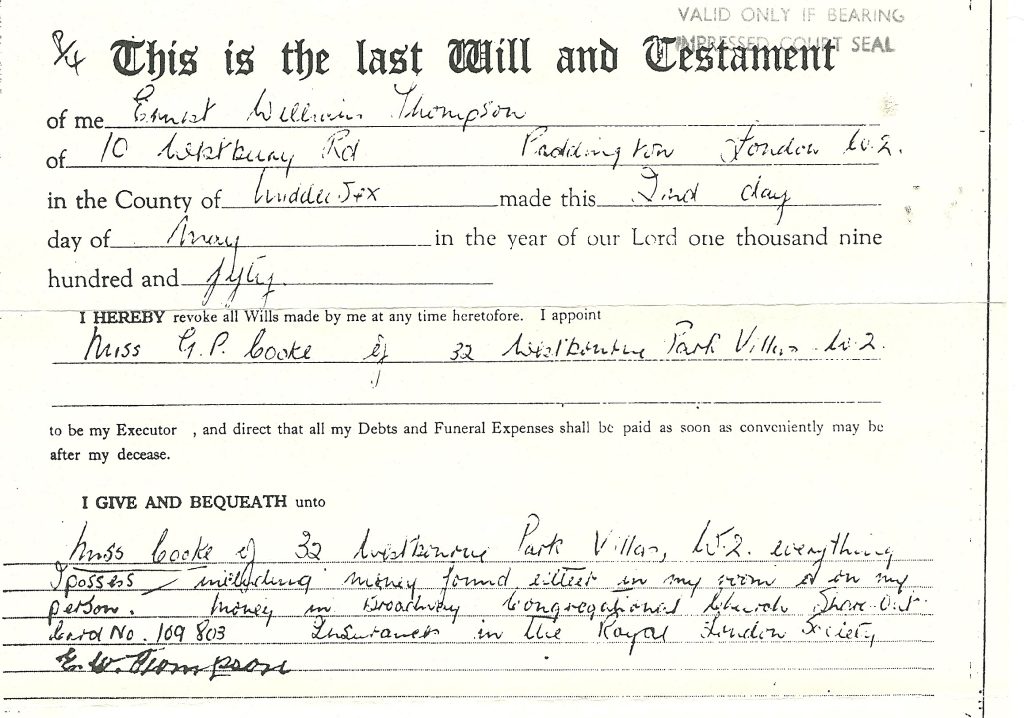
It’s worth noting just how much information can be extracted from a single will.
A will may reveal:
- family relationships
- addresses
- occupations
- land ownership
- social standing
- witnesses and associates
- family tensions
Witnesses and executors are often relatives or trusted friends, providing additional clues for research.
They are not, however, without some challenges:
- difficult handwriting
- legal wording
- old spellings
- Latin in older documents
Probate Calendars — A Hidden Treasure
Many researchers overlook probate calendars, yet they are often extremely informative even without obtaining the full will.
What is a Probate Calendar?
A probate calendar is essentially an official index of grants of probate and letters of administration. For family historians they are incredibly valuable because they often contain useful information even if you never obtain the actual will itself.
In England and Wales, probate calendars have existed nationally since 1858.
Probate calendars commonly include:
- full name
- address
- occupation
- date of death
- place of death
- who was granted probate
- relationship of executor
- estate value
This information can help confirm identities and build a clearer picture of an ancestor’s circumstances.
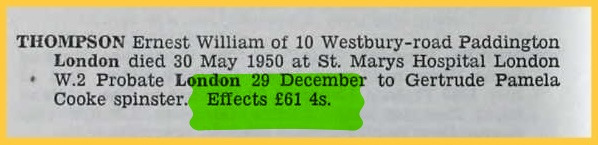
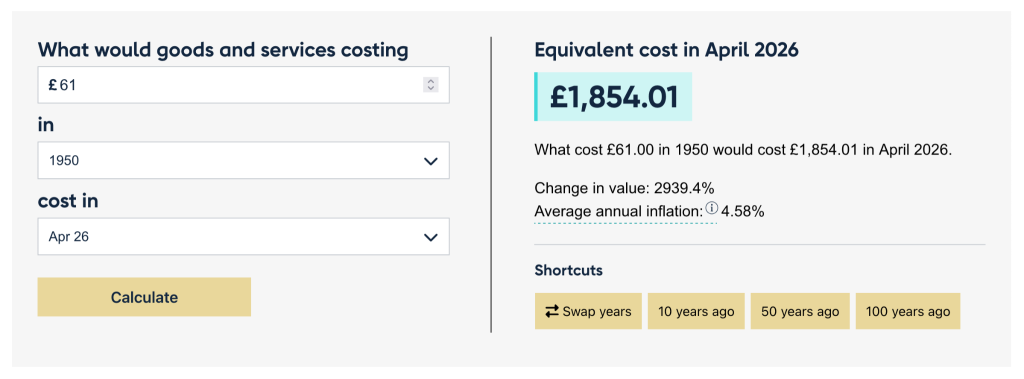
Estate values can also provide useful clues about relative wealth and social standing. The Bank of England has a useful calculator that allows you to see what an amount would be worth in today’s money.
Unexpected Discoveries in Wills
Wills are not always dry legal documents. They often contain fascinating personal details.
Examples include:
- disinherited children
- servants receiving gifts
- unusual bequests
- conditional inheritances
- long-running family disputes
- symbolic inheritances such as “one shilling”
These details can add real personality and drama to family history research.
Common Problems for Researchers
Probate research is not always straightforward.
Some common difficulties include:
- missing records
- people dying intestate
- name variations
- poor indexing
- identical names
- records scattered across different courts
Persistence and cross-checking with other sources remain essential.
Final Thoughts
Wills and probate records are among the most rewarding resources available to genealogists. They often provide the human detail that turns a list of names and dates into real family stories.
Whether revealing family tensions, confirming relationships or uncovering unexpected wealth — or poverty — probate records can dramatically deepen our understanding of our ancestors’ lives.
For many researchers, they quickly become one of the most addictive areas of family history research.