
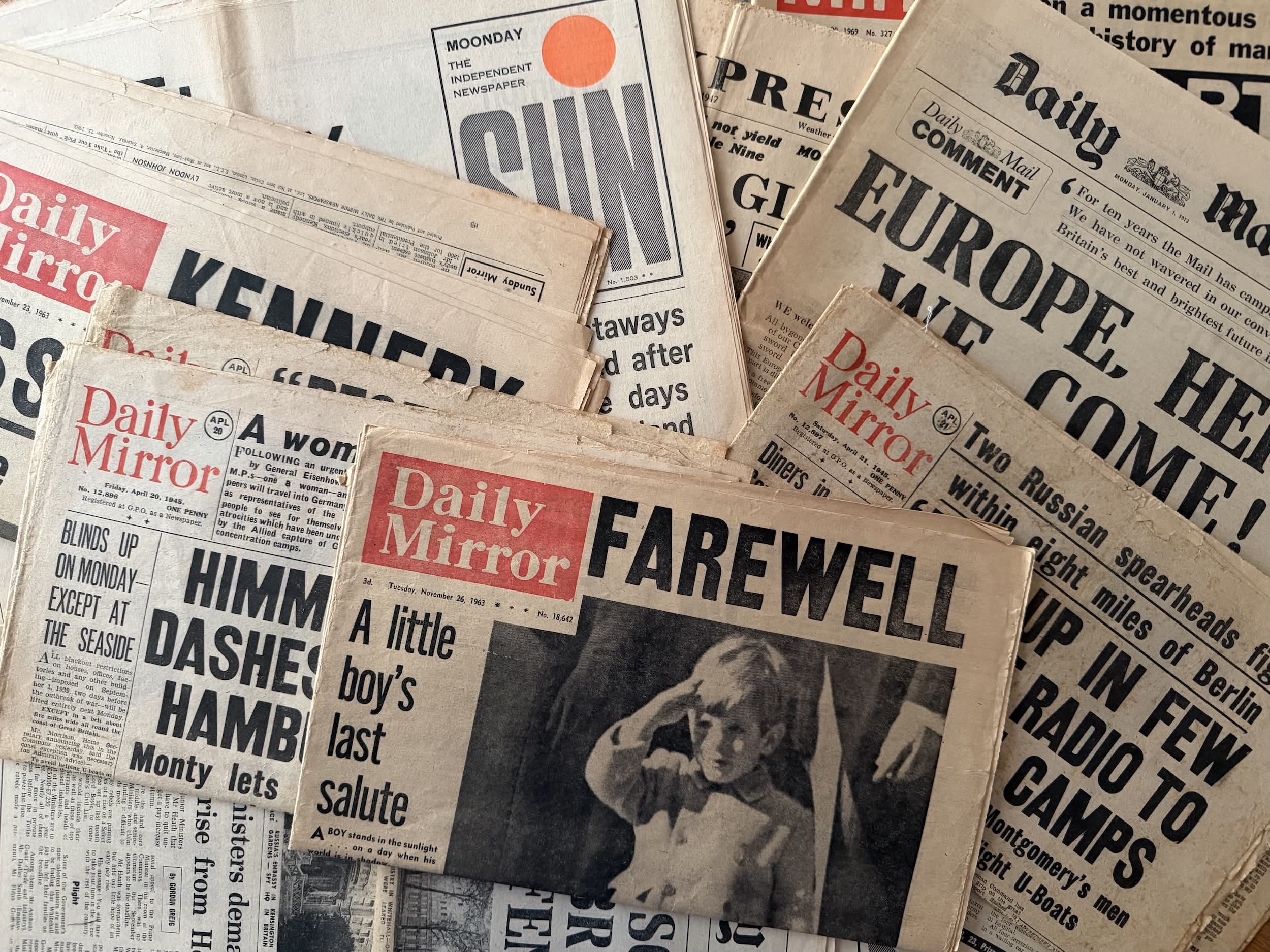
The stories behind our ancestors
When we start researching our family history, we tend to focus on the “big” records — birth certificates, census returns, marriage records and wills. These are essential, of course, but they only tell us the bare facts.
If you really want to bring your ancestors to life, newspapers are one of the richest — and most entertaining — sources you can use.
Why Newspapers Are So Valuable
Civil and parish records tell us:
- when someone was born
- where they lived
- who they married
But newspapers tell us:
- what actually happened in their lives
- how they were viewed by others
- the events — both ordinary and extraordinary — that shaped them
In short:
Records give us facts — newspapers give us stories.
What You Can Find in Newspapers
You might be surprised just how often ordinary people appear in newspapers. Some of the most useful items include:
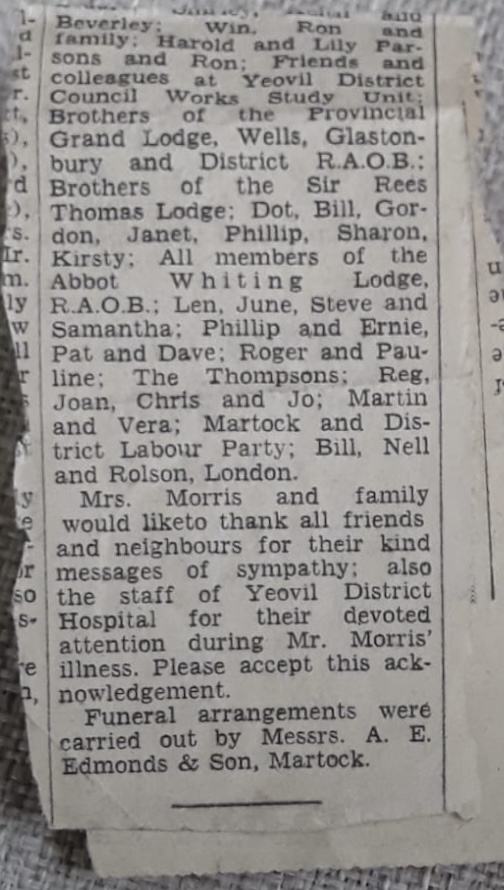
- Birth, marriage and death announcements
- Obituaries
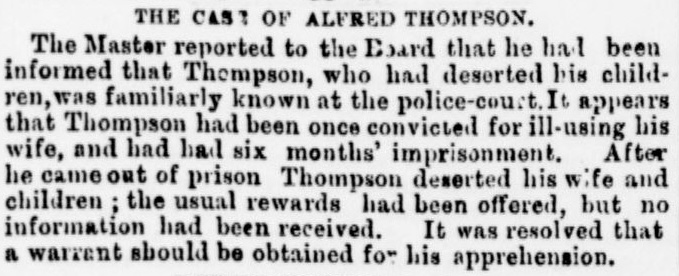
- Court cases
- Accidents and inquests
- School reports and exam results
- Sporting events
- Business advertisements
- Property sales
Even if your ancestors weren’t wealthy or well-known, they may still appear — sometimes in unexpected ways.
The Power of Local Newspapers
Local newspapers are especially valuable for family historians.
They often reported:
- parish and village news
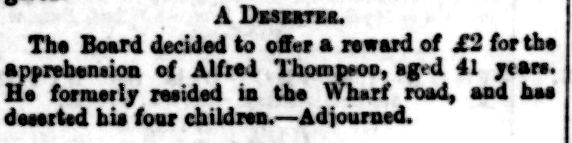
- local court proceedings
- school achievements
- community events
- everyday accidents
These reports can include details such as:
- exact addresses
- occupations
- names of relatives
- witnesses and neighbours
It’s often the small, local stories that provide the biggest breakthroughs.
Where to Find Newspapers
There are several excellent sources for historical newspapers, including:
You should also check:
- local libraries
- county record offices
Many libraries provide free access to newspaper archives, so it’s always worth asking.
Searching Tips
Searching newspapers is slightly different from searching other genealogy records.
Try:
- searching by surname only
- combining surname with a place
- using occupations (e.g. “Smith + carpenter”)
- searching initials (e.g. “J. Smith”)
Old newspapers are digitised using OCR (Optical Character Recognition), which is far from perfect. Names are often misread, so flexibility is key.
Think Beyond Names
One of the best strategies is to search for things other than names, such as:
- street names
- pub names
- business names
- schools or churches
For example, instead of searching for:
William Carter
try:
Carter + Sheffield
Carter + blacksmith
This approach often uncovers results you might otherwise miss.
A Note of Caution
As useful as newspapers are, they are not always reliable.
Be aware that:
- names may be misspelled
- ages are often inaccurate
- events can be exaggerated
It’s always best to confirm what you find with other sources such as civil registration records or parish registers.
Good Practice
When you find a useful article:
- download or save the image
- record the newspaper title
- note the publication date
- include the page number
- keep a transcription if the text is important
Access to newspapers can change over time, so it’s wise to keep your own copy.
Final Thoughts
Newspapers can transform your family history research. They add colour, personality and sometimes a touch of drama to what might otherwise be a list of names and dates.
Most importantly, they remind us that our ancestors lived real, eventful lives — sometimes ordinary, sometimes extraordinary, and occasionally quite surprising.
If you haven’t already explored newspapers in your research, it’s well worth giving them a try. You never know what stories you might uncover.